

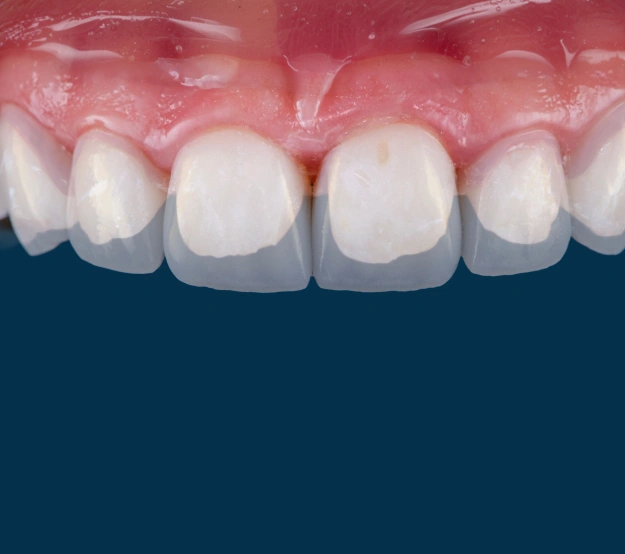
Refresh Your Smile With Bonding
Composite bonding is one of the more approachable cosmetic treatments offered at Crowley Family Dental in Sandusky, giving patients a way to address small imperfections without committing to a longer or more involved procedure. The treatment uses a tooth colored resin that is shaped and hardened directly onto the tooth, correcting issues like chips, cracks, gaps, or discoloration in a way that blends naturally with the surrounding smile. Because the resin is applied and shaped chairside, most bonding procedures are completed in a single appointment.
For patients looking for a noticeable improvement without a lengthy treatment plan, bonding tends to be a practical starting point.
Schedule a Bonding ConsultationWhat Composite Bonding Can Correct
Bonding is a flexible treatment that addresses a range of minor cosmetic concerns rather than being limited to a single issue. Patients in Sandusky often turn to bonding for the following.
- Chipped or slightly cracked teeth from everyday wear or minor accidents
- Small gaps between teeth that a patient would like closed
- Teeth with uneven or irregular shape
- Discoloration that has not responded well to whitening treatments
- Exposed tooth roots resulting from gum recession
Because the resin can be shaped and adjusted during the appointment, the level of correction is tailored to each tooth rather than following a fixed approach, giving patients meaningful control over the final result.
Why Patients Prefer Cosmetic Bonding
For minor cosmetic concerns, bonding offers a level of simplicity that appeals to a wide range of patients. The procedure requires little to no removal of existing tooth structure, which means the natural tooth stays largely intact throughout treatment. It is also one of the more efficient cosmetic options available, since most corrections are completed in a single visit rather than requiring multiple appointments spread across several weeks.
Cost tends to be another factor patients weigh when considering their options. Bonding is generally a lower investment compared to more extensive cosmetic treatments, making it an accessible entry point for patients who want to address a specific concern without a significant commitment. The material itself is also durable enough to handle normal biting and chewing pressure when cared for properly.
How the Bonding Process Comes Together
Composite bonding is a relatively quick procedure, but each step plays a role in making sure the final result looks natural and holds up well over time. Here is what a typical bonding appointment involves.
Selecting the right shade: The resin color is matched carefully to the surrounding teeth so the bonded area blends in rather than standing out.
Preparing the tooth surface: The surface of the tooth is lightly roughened and a conditioning solution is applied, helping the bonding material adhere securely.
Applying the composite resin: The tooth colored material is applied in layers directly onto the tooth, allowing precise control over the final shape.
Shaping the material: Before the resin fully hardens, it is molded and shaped to correct the specific chip, gap, or irregularity being addressed.
Curing the bond: A special light is used to harden each layer of resin quickly, securing it firmly to the tooth structure.
Polishing for a natural finish: The bonded area is trimmed and polished until it matches the sheen of the surrounding enamel, completing the result.
Caring for a Bonded Tooth
Bonded teeth generally do not require any specialized routine, but a few habits help the results last as long as possible. Brushing twice daily and flossing regularly keeps the bonded area clean and free of the buildup that can dull its appearance over time. Chewing on hard objects such as ice, pens, or fingernails is worth avoiding, since bonding material is durable but can chip under excessive pressure in a way natural enamel may not.
Limiting foods and drinks known to cause staining, including coffee, tea, and red wine, also helps preserve the shade match achieved during treatment. With reasonable care, bonded teeth typically hold up well for several years before any touch up is needed.
Ready for a Simple Fix to a Small Imperfection?
If a chip, gap, or discolored tooth has been on your mind, composite bonding offers a straightforward way to address it in a single visit. Schedule a consultation to find out if bonding is the right fit for your smile.
Book Your AppointmentFrequently Asked Questions About Composite Bonding
Most bonding procedures are completed in a single visit, often within an hour depending on how many teeth are being treated.
No. Bonding is typically painless enough that anesthesia is not needed, unless it is being used to address a small area of decay along with the cosmetic correction.
With proper care, bonding generally lasts several years before it may need to be touched up or replaced, depending on how the tooth is used day to day.
Yes, bonding material can pick up staining from coffee, tea, or wine over time, which is why limiting these where possible helps preserve its original shade.
Yes, bonding is commonly used at our Sandusky office to repair chipped front teeth, restoring a natural appearance in a single appointment.
Yes. The resin shade is selected specifically to blend with your surrounding teeth, and the material is polished to match the natural sheen of your enamel.
No specialized routine is needed, though avoiding hard foods and objects that could chip the material helps the bonding last as long as possible.
Coverage varies depending on whether the bonding is considered cosmetic or restorative. Our Sandusky team can help you understand your specific benefits before treatment.